

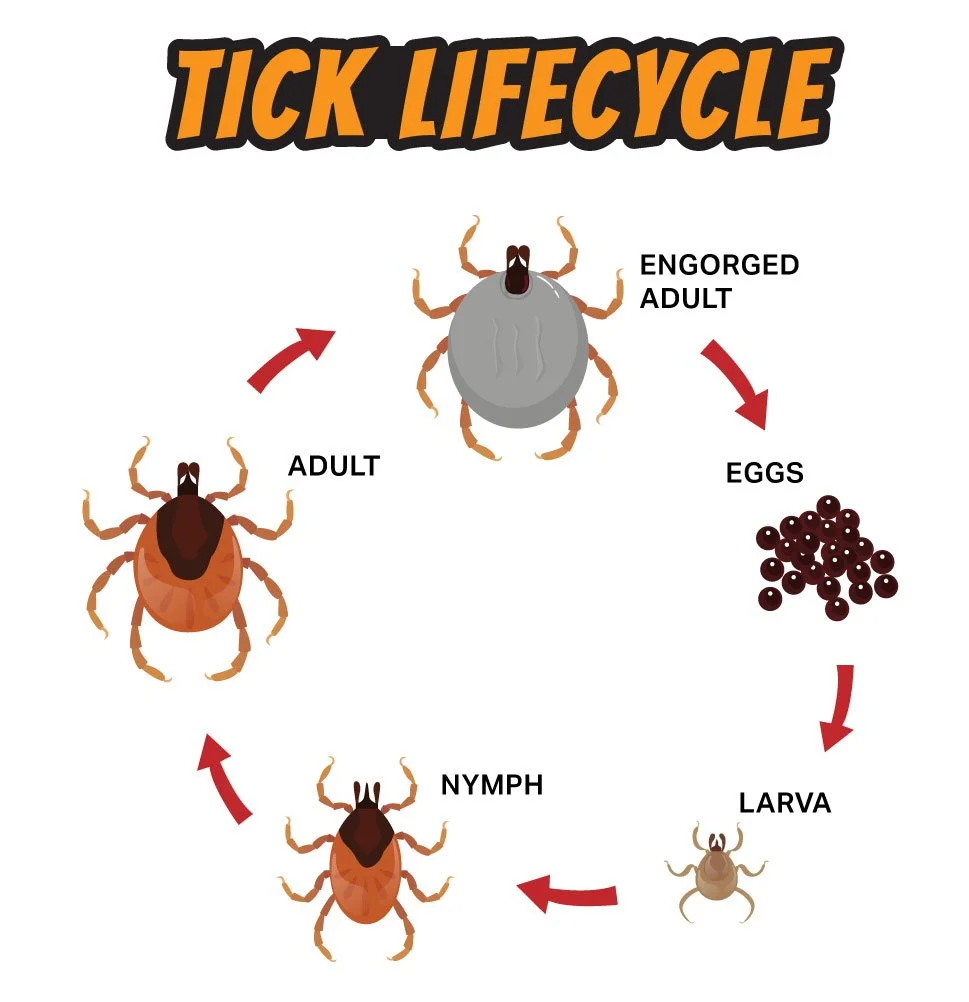
EGGS: A female tick lays thousands of eggs in protected, moist spots, often under leaves.
LARVA: A tiny, six-legged baby tick hatches, usually in the summer. It finds a small host, like a mouse, for its first meal.
NYMPH: The larva turns into a "teenager" with eight legs, about the size of a poppy seed. They are very small and active in spring and summer.
ADULT: The nymph turns into a full-grown adult, about the size of a sesame seed. Adults feed on larger animals (like deer) or people, mate, and lay eggs.
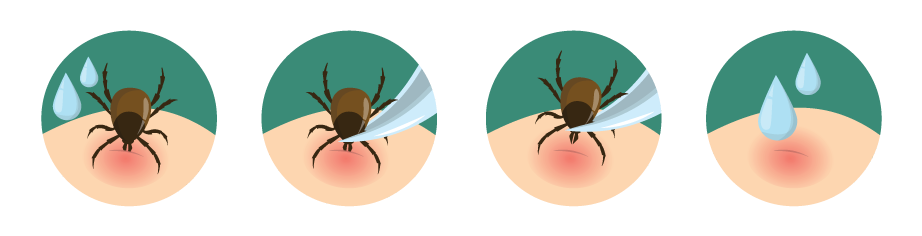

SANITIZE BITE AREA & TWEEZERS
GRAB TICK CLOSE TO THE HEAD
PULL UP SLOWLY & CAREFULLY
SANITIZE BITE AREA AGAIN
Don’t be a Tick Target!
Ticks can cause illness in humans and our pets.
It is important to stay Tick Safe while playing outdoors.
Here are some tips to avoid tick bites.

AVOID TICK
HABITATS
WEAR THE RIGHT CLOTHING
WEAR EPA OR
CDC-APPROVED
TICK REPELLENTS
WALK IN THE
CENTER OF TRAILS


(tall grass, edges of woody
areas, and leaf litter)
(light-colored, long sleeves/pants, tucking pants into long socks)
FREQUENT
BODY CHECKS
TOSS CLOTHES
IN A DRYER

(on high heat for
10 minutes
after being outdoors)
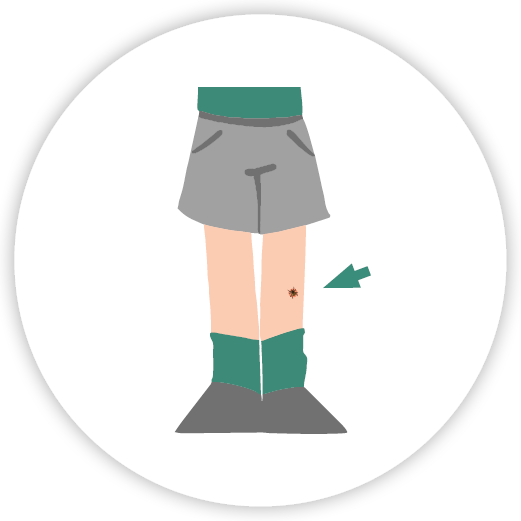
(check your legs,
back, belly button,
and hairline)


REMEMBER TO
CHECK YOUR PETS
SHOWER AFTER
BEING OUTDOORS



Learn fun and important facts about ticks
and how to stay safe while exploring outside!
TICKS ARE NOT INSECTS; THEY ARE MORE CLOSELY RELATED TO SPIDERS.

THERE ARE NEARLY 900 SPECIES OF TICKS IN THE WORLD, AND AROUND A DOZEN ARE FOUND IN OHIO.
ONLY BLACKLEGGED TICKS TRANSMIT
LYME DISEASE.

TICKS REQUIRE BLOOD TO SURVIVE. THEY WILL FEED ON DEER, BIRDS, MICE, HUMANS, AND EVEN OUR FURRY PETS!
USING AN ANTENNA-LIKE ORGAN ON THEIR FRONT LEGS, TICKS FIND THEIR HOSTS BY SENSING AN ANIMAL’S BREATH, BODY ODOR, AND VIBRATIONS.

QUESTING IS WHEN TICKS CRAWL TO THE TOP OF LOW VEGETATION AND HOLD THEIR LEGS OUT TO BE PICKED UP BY AN UNSUSPECTING HUMAN
OR ANIMAL.

TICKS DO NOT FLY
OR FALL FROM TREES. THEY PREFER TO STAY CLOSE TO THE GROUND AND THEN CRAWL UP YOUR BODY.

TICKS CAN LIVE AS
LONG AS 200 DAYS WITHOUT FOOD
OR WATER.

DEER TICKS ARE OUT LOOKING FOR A MEAL ALL YEAR ROUND,
EVEN IN WINTER!